
Skin ageing often shows up as sagging, fine lines, and a gradual loss of elasticity, all signs that collagen production is slowing down. As the skin’s natural support structure weakens, it can start to look less firm, less defined, and more tired over time.
Microneedling for skin ageing has become one of the most effective non-invasive treatments for addressing these concerns. By stimulating the skin’s natural repair response, it encourages collagen and elastin production, helping to improve firmness, texture, and overall skin quality.
In this Ask the Expert guide, we break down how microneedling works, why it is widely recommended for ageing skin, and what results you can realistically expect. Drawing on clinical knowledge and hands-on experience at Tweaks Aesthetics in St Ives, this article is designed to give you clear, honest insight into whether this treatment is right for you.
What is microneedling for skin ageing and how does it work?
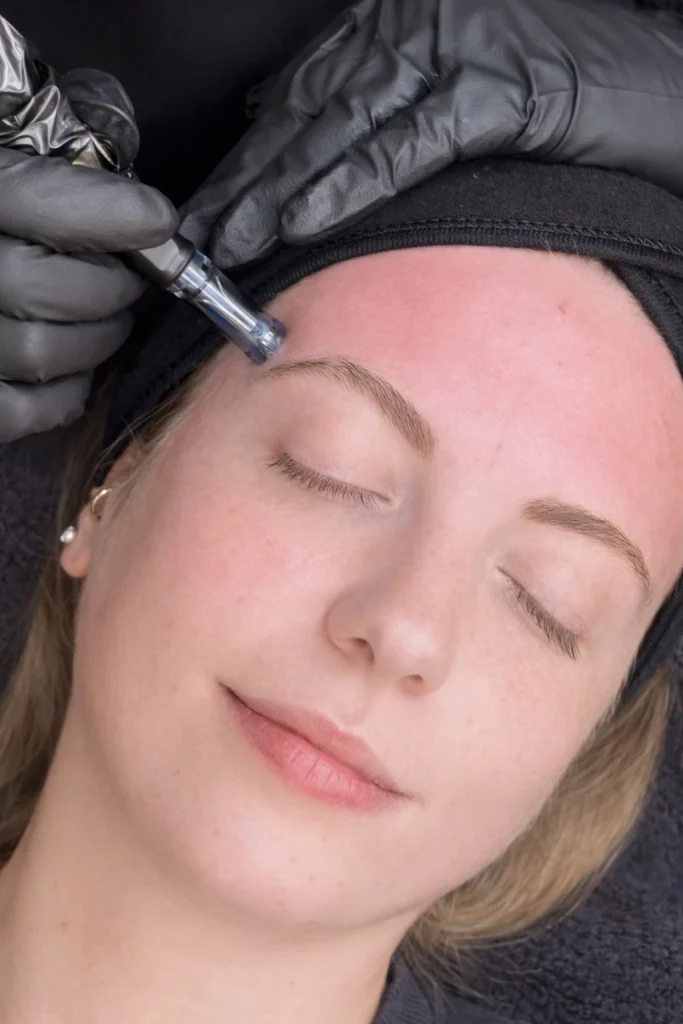
It is a minimally invasive treatment that stimulates the skin’s natural repair process. It involves using very fine, sterile needles to create controlled micro-injuries in the skin.
These micro-injuries trigger:
- Increased collagen production
- Enhanced elastin formation
- Improved skin regeneration
Collagen and elastin are the key proteins responsible for firm, youthful skin. As we age, production slows down, leading to sagging and wrinkles.

Why is microneedling for skin ageing so effective?
The reason it is so effective lies in its ability to work with your skin rather than against it.
It stimulates natural collagen production
Unlike treatments that simply mask ageing, microneedling encourages your body to rebuild its own support structure.
It targets multiple layers of the skin
Microneedling works beneath the surface, improving both texture and structural integrity.
It improves elasticity over time
With repeated treatments, skin becomes firmer, smoother, and more resilient.
It enhances the absorption of active ingredients
When combined with serums or mesotherapy, microneedling allows deeper penetration of beneficial ingredients.
What skin ageing concerns can microneedling improve?
Microneedling is particularly effective for common signs of skin ageing, including:
- Sagging skin around the jawline
- Fine lines and early wrinkles
- Loss of elasticity
- Uneven skin texture
- Enlarged pores
- Dull or tired-looking skin
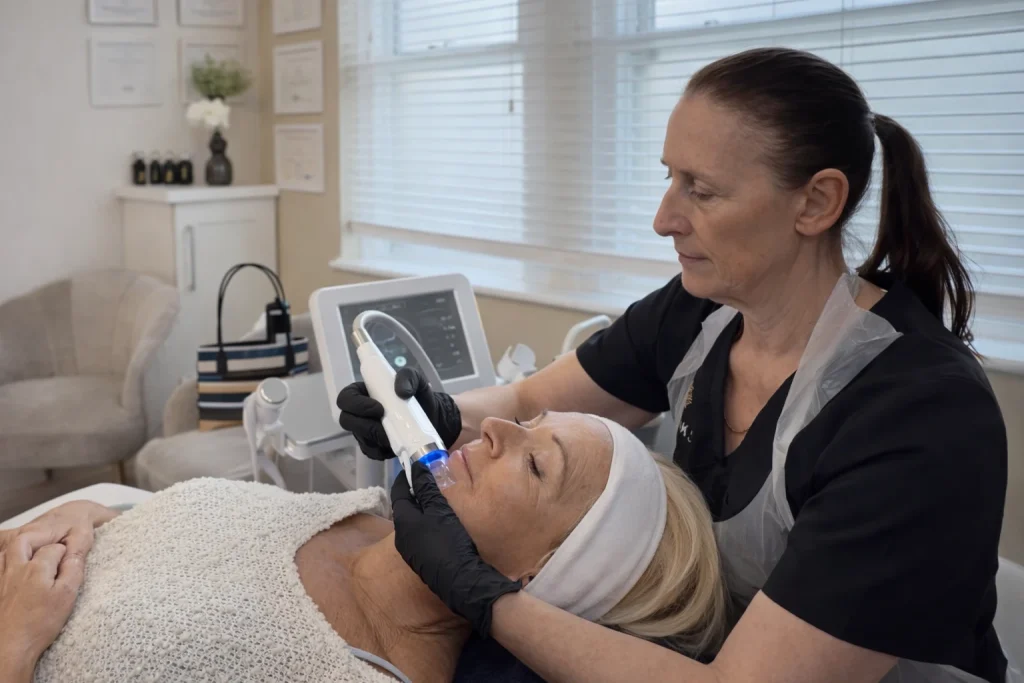
At Tweaks Aesthetics, microneedling is often recommended as part of a broader skin ageing treatment plan..
How does microneedling compare to other skin ageing treatments?
There are many approaches to treating skin ageing, and microneedling is often used alongside other treatments.
Microneedling vs HIFU
- Microneedling focuses on surface regeneration and collagen stimulation
- HIFU targets deeper layers for lifting and tightening
Microneedling vs dermal fillers
- Microneedling improves skin quality
- Fillers restore volume and structure
Microneedling vs skin boosters
- Microneedling stimulates collagen
- Skin boosters hydrate and support elasticity
In many cases, the best results come from combining treatments rather than relying on one alone.
What results can you expect from microneedling?
Results g develop gradually, as your skin rebuilds itself over time.
Short-term results
- Brighter, fresher-looking skin
- Improved texture
- Mild tightening
Long-term results
- Firmer, more elastic skin
- Reduction in fine lines
- Improved overall skin quality
Most clients require a course of treatments, typically spaced 4 to 6 weeks apart.
The British Association of Dermatologists highlights that collagen stimulation treatments can improve skin structure progressively over time.
Is microneedling suitable for all skin types?
Microneedling is suitable for most people experiencing skin ageing, particularly those who:
- Want natural, gradual improvements
- Prefer non-invasive treatments
- Are noticing early to moderate signs of ageing
However, suitability depends on your individual skin condition. A consultation is always recommended before starting treatment.
What does the treatment feel like and is there downtime?
One of the most common questions about microneedling for skin ageing is what the experience is like.
During treatment
- A numbing cream is applied
- Most clients feel mild discomfort rather than pain
After treatment
- Redness similar to mild sunburn
- Slight sensitivity for 24 to 48 hours
Most people return to normal activities quickly, making it suitable for busy lifestyles.
How many sessions of microneedling are needed for skin ageing?
There is no one-size-fits-all answer, but most treatment plans include:
- 3 to 6 sessions for visible improvement
- Maintenance treatments every few months
The number of sessions depends on:
- Your age
- Skin condition
- Desired results
At Tweaks Aesthetics, treatment plans are always tailored to the individual.

Expert insight from Tweaks Aesthetics
From clinical experience, one of the biggest misconceptions about microneedling for skin ageing is that it delivers instant results.
In reality:
- The best results come over time
- Consistency is key
- Combination treatments often enhance outcomes
Clients who commit to a structured plan tend to see the most noticeable improvements in skin firmness and elasticity.
How to maximise results from microneedling
To get the most from your treatment:
- Follow aftercare advice carefully
- Stay hydrated
- Use high-quality skincare products
- Protect your skin from sun exposure
Consistency, both in treatments and daily care, plays a major role in long-term results.
When should you consider microneedling for skin ageing?
You may benefit if you are:
- Starting to notice loss of firmness
- Seeing early fine lines
- Looking for preventative treatments
- Wanting natural-looking results
Early intervention often leads to better long-term outcomes.
Ready to explore microneedling for skin ageing?
If you are considering microneedling treatment, the first step is understanding what your skin needs.
At Tweaks Aesthetics in St Ives, we take a personalised approach to every client, ensuring treatments are tailored to your goals and lifestyle.