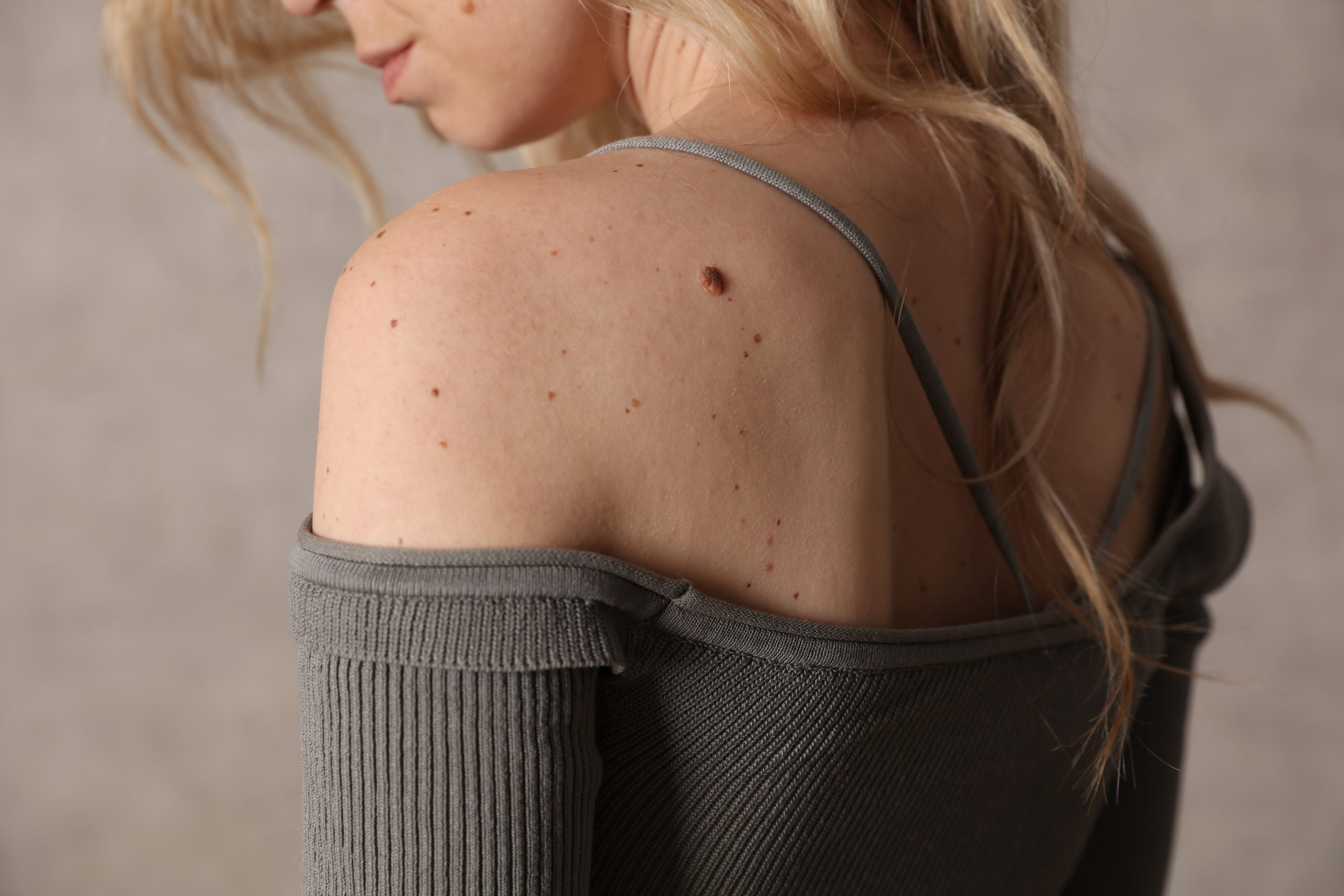
Many people notice a mole or skin tag on their skin and wonder whether it should be removed. In most cases, these growths are completely harmless and do not require treatment. However, there are situations where mole removal or skin tag removal may be considered.
Understanding the difference between a normal skin lesion and one that needs professional attention is important for maintaining healthy skin. In this guide, we explain when removal may be appropriate, what warning signs to watch for, and how practitioners assess skin lesions before any cosmetic treatment is performed.
When Do People Usually Consider Mole or Skin Tag Removal?
Many people seek mole removal or skin tag removal for practical or cosmetic reasons rather than medical ones.
Common situations include:
- Skin tags catching on clothing or jewellery
- Irritation during shaving or skincare routines
- A mole located on the face or neck that affects appearance
- A skin growth that gradually becomes larger over time
- Discomfort caused by friction or movement
In the UK, the NHS typically removes skin lesions only when there is a medical concern. Because of this, many people choose private cosmetic treatment when a lesion is harmless but bothersome.
How Do Professionals Decide Whether a Mole Is Safe to Remove?
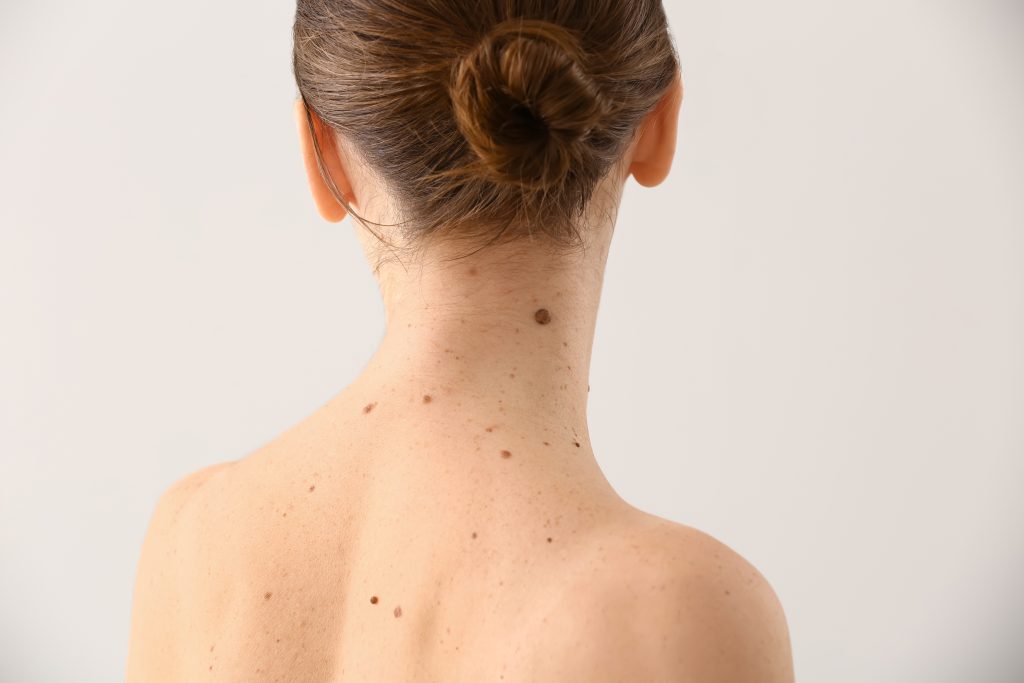
Before any mole removal procedure is considered, a practitioner must first assess the lesion to ensure it appears benign.
Dermatology professionals often use the ABCDE rule when evaluating moles.
A – Asymmetry
One-half of the mole does not match the other.
B – Border
Edges appear irregular, blurred, or uneven.
C – Colour
Different shades of colour within the same mole.
D – Diameter
Larger than around six millimetres.
E – Evolving
Noticeable change in size, shape, or colour.
If you observe any of these changes, a GP or dermatologist should examine the lesion before considering cosmetic removal.
The NHS advises speaking to a GP if you notice changes in a mole or new symptoms such as bleeding or itching.
Are Skin Tags Ever a Cause for Concern?
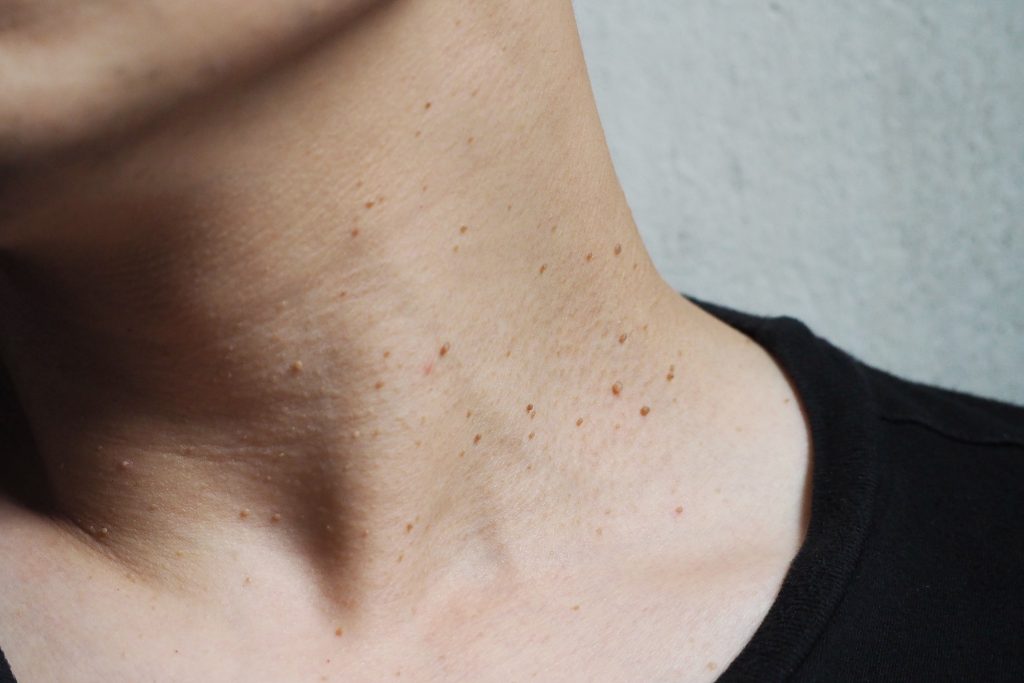
Unlike moles, skin tags are almost always harmless. These small soft growths typically appear in areas where the skin experiences friction.
Common locations include:
- Neck
- Underarms
- Eyelids
- Under the breasts
- Groin area
Although skin tags rarely cause medical problems, they can become irritated if they catch on clothing or jewellery. This is one of the main reasons people consider skin tag removal.
In some cases, people may also choose removal for cosmetic reasons, particularly if the skin tag appears in a visible area.
Why Professional Assessment Matters Before Removal
One of the most important steps before mole removal or skin tag removal is professional assessment.
Even when a lesion appears harmless, a trained practitioner will examine it carefully before recommending cosmetic treatment.
This helps ensure that:
- The lesion appears benign
- There are no warning signs that require medical investigation
- Removal is appropriate and safe
If there is any uncertainty about the nature of a lesion, practitioners may advise seeking evaluation from a GP or dermatologist before proceeding.
This cautious approach is standard practice in aesthetic medicine and dermatology.
Why You Should Never Attempt Skin Tag Removal at Home
There is a growing amount of online advice suggesting that skin tags can be removed at home using cutting tools, freezing sprays, or topical solutions.
Medical professionals strongly advise against this.
Attempting skin tag removal or mole removal at home can lead to several risks, including:
- Infection
- Bleeding
- Skin damage
- Permanent scarring
- Misdiagnosis of a more serious skin condition
A professional consultation ensures the lesion is assessed properly before any removal is considered.
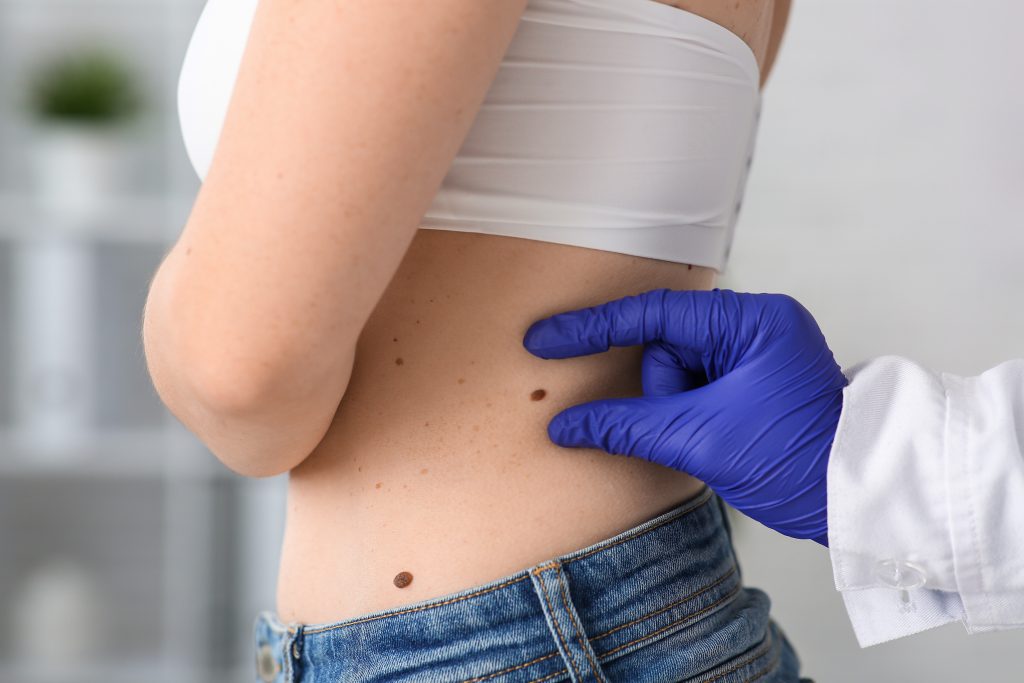
What Happens During a Professional Lesion Consultation?
If you visit a clinic for advice about a mole or skin tag, the appointment usually begins with a consultation.
During this assessment, a practitioner may:
- Examine the size, shape, and colour of the lesion
- Ask how long the lesion has been present
- Discuss any changes you may have noticed
- Check for symptoms such as irritation or bleeding
If the lesion appears benign, cosmetic removal options may be discussed. If there is any concern, referral to a medical professional may be recommended.
This careful process helps ensure patient safety and appropriate treatment decisions.
Do Moles or Skin Tags Grow Back After Removal?
Once a skin tag or mole has been successfully removed, it usually does not return in the same location.
However, new lesions may appear elsewhere on the skin over time. This is because the factors that cause these growths, such as genetics, skin friction, or ageing, may still be present.
Monitoring your skin regularly can help you notice new growths and seek professional advice if needed.
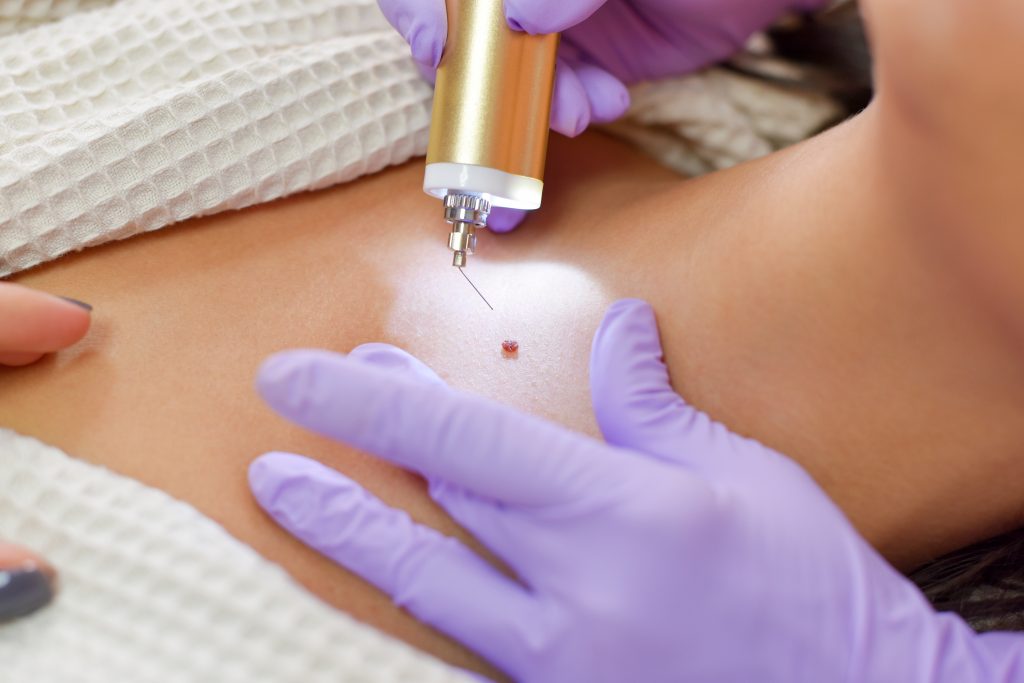
When Should You Seek Professional Advice?
You should consider seeking professional advice if you notice:
- A mole changing colour, size, or shape
- A lesion that becomes painful or irritated
- A growth that begins bleeding or crusting
- A new mole appearing suddenly in adulthood
Early assessment helps ensure that any concerning changes are investigated properly.
Guidance from the British Association of Dermatologists recommends speaking to a healthcare professional if you notice changes in a mole.
Professional Advice from Tweaks Aesthetics
If you have a mole, skin tag, or benign skin lesion that concerns you, the safest approach is to seek professional advice before considering removal.
At Tweaks Aesthetics in St Ives, consultations begin with a careful assessment of the lesion. Practitioners examine the area and discuss your concerns before recommending any cosmetic treatment.
If the lesion appears benign and suitable for removal, treatment options can be discussed. If there is any uncertainty, you may be advised to consult your GP before proceeding.
This careful approach helps ensure that skin health and safety always remain the priority.
Book a Consultation in St Ives
If you are concerned about a mole, skin tag, or other benign skin lesion, the first step is a professional consultation.
Tweaks Aesthetics welcomes clients from St Ives, Huntingdon, Brampton, Fenstanton, Warboys and surrounding Cambridgeshire villages who want professional advice about their skin concerns.