
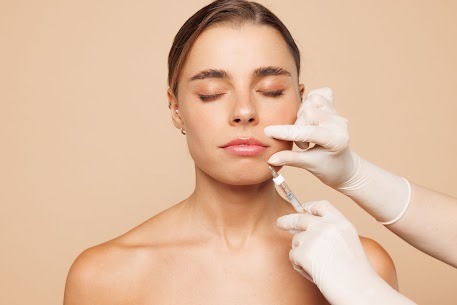
Facial volume loss happens when the structures that give the face shape and support begin to change. Ageing is the most common cause, but genetics, weight loss, sun exposure and lifestyle factors can also influence how quickly these changes become visible.
It may show up as flatter cheeks, hollow temples, deeper folds or reduced definition around the chin and jawline. Understanding the cause is important because volume loss, loose skin and dehydration are not the same concern.
Why Facial Volume Changes Over Time
The face is supported by several layers, including skin, fat, connective tissue, muscle and bone. These layers work together to create facial shape and definition.
As we age, changes can happen at more than one level. Facial fat may reduce or shift, the skin may become thinner and less elastic, and the bones supporting the face may gradually change.
This is why facial ageing is rarely caused by one issue alone. A flatter cheek, for example, may reflect changes in fat, skin quality and deeper structural support.
The Main Causes Of Facial Volume Loss
Natural Ageing
Ageing is the most common cause of facial volume loss.
Over time, some of the fat compartments that support areas such as the cheeks and temples may become smaller or change position. This can reduce facial fullness and make folds or hollow areas more noticeable.
Common age-related changes include:
- Flatter cheeks
- Hollow temples
- More visible folds around the nose and mouth
- Reduced jawline definition
- Thinner lips
- Greater shadowing beneath the eyes
These changes do not happen at the same age or rate for everyone. Genetics, facial anatomy and lifestyle all influence when they become noticeable.
Changes In Facial Fat
Facial fat is arranged in separate compartments rather than one continuous layer.
Some compartments provide structure and projection, particularly through the mid-face. When this deeper support reduces, the skin and tissues above it may sit differently.
This can make someone look more tired or less defined, even when the skin itself is still relatively firm.
It also explains why tightening treatments do not always address true volume loss. If the concern is caused mainly by reduced structural fullness, improving skin firmness alone may not restore the same facial shape.
Reduced Collagen And Elastin
Collagen helps give the skin strength and structure, while elastin allows it to stretch and return to shape.
Production of both gradually changes with age. As a result, the skin may become thinner, drier and less resilient.
Collagen loss does not directly remove facial fat, but it can make underlying volume changes more visible. Reduced elasticity may also contribute to softer contours and less support around the cheeks and lower face.
This is one reason volume loss and skin laxity are often seen together.
Changes In Facial Bone
The bones of the face provide support for the soft tissues above them.
As part of the ageing process, gradual changes may occur around areas such as the eye sockets, cheeks and jaw. These changes can affect how the face is supported and may contribute to:
- Reduced cheek projection
- Less support around the mouth
- Hollowing beneath the eyes
- Changes in chin or jawline definition
These structural changes are one reason facial ageing should be assessed as a whole rather than by looking at one line or hollow in isolation.
Significant Weight Loss
Weight loss can reduce fat from the face as well as the body.
When someone loses a significant amount of weight, especially over a short period, the cheeks or temples may appear more hollow. The skin may also look looser if it cannot adapt at the same pace.
How much the face changes depends on several factors, including:
- Starting facial shape
- Amount of weight lost
- Speed of weight loss
- Age
- Skin elasticity
- Genetics
Not everyone develops noticeable facial volume loss after losing weight. For some people, the change is minor. For others, it can alter facial balance more clearly.
It is often sensible to allow weight to stabilise before considering elective facial treatment.
Genetics And Natural Facial Shape
Some people naturally have slimmer faces, higher cheekbones or more visible temple hollowing.
These features may become more noticeable with age, but they are not necessarily a problem. Two people of the same age can have very different levels of facial fullness because of inherited anatomy.
Genetics can influence:
- Where facial fat is stored
- Natural cheek projection
- Temple shape
- Skin thickness
- How early ageing changes appear
This is why treatment should never be based on a standard idea of how a face should look.
Sun Exposure And Lifestyle
Long-term sun exposure contributes to premature skin ageing. It can damage collagen and elastin, making the skin appear thinner, looser or more lined.
Sun exposure does not usually remove facial fat directly, but it can make the visible effects of volume loss more noticeable.
Smoking may also contribute to premature skin ageing and reduced elasticity. Other factors such as poor sleep, high alcohol intake, stress and dehydration may make the face appear more tired or drawn.
These lifestyle factors do not always cause structural volume loss, but they can affect how healthy and supported the skin looks.
Volume Loss, Loose Skin Or Dehydration?
These concerns can look similar, but they are different.
Volume loss affects the shape and structural fullness of the face. It may cause flatter cheeks, hollow temples or reduced facial definition.
Loose skin relates more closely to reduced elasticity and support. It may appear as sagging around the jawline, cheeks or neck.
Dehydrated skin may look dull, crepey or lined because it lacks water. It often feels tight or rough but does not usually cause deeper structural hollowing.
Someone may experience all three at the same time. A consultation can help identify which concern is contributing most to the overall appearance.
Can Facial Volume Loss Be Prevented?
Natural ageing cannot be prevented completely, and facial structure will continue to change over time.
However, certain habits may help protect skin quality and reduce avoidable premature ageing:
- Use broad-spectrum sun protection
- Avoid smoking
- Maintain a stable, healthy weight where possible
- Follow a consistent skincare routine
- Eat a balanced diet
- Stay hydrated
- Avoid unnecessary or excessive cosmetic procedures
These steps cannot replace lost facial structure, but they may help support the skin and slow some visible signs of premature ageing.
What Treatments May Be Considered?
The most suitable option depends on whether the main concern is volume loss, dehydration, skin laxity or a combination.
At Tweaks Aesthetics, options discussed with suitable clients may include:
Dermal Fillers: Used to add support or restore selected contours in areas such as the cheeks, chin or jawline.
Skin Boosters: Used primarily to improve hydration, elasticity and overall skin quality.
HIFU: Intended to support gradual firmness where mild skin laxity contributes to reduced definition. It does not replace volume in the same way as filler.
Combination Plans: A phased approach may be considered when more than one aspect of facial ageing is present.
Treatment should not involve automatically adding volume to every hollow or fold. The aim is to understand the cause and consider whether treatment would support natural facial balance.
You can learn more about facial volume loss or explore our treatments and prices.
When Should You Seek Medical Advice?
Gradual facial volume changes are usually cosmetic. However, sudden or unexplained changes should not be assumed to be part of normal ageing.
Speak to a GP or another appropriate healthcare professional if you experience:
- Sudden facial weakness or drooping
- Unexplained swelling
- Pain or numbness
- Rapid changes on one side of the face
- Unintentional weight loss
- Difficulty speaking or swallowing
An aesthetics consultation is not a substitute for medical assessment or diagnosis.
Frequently Asked Questions
At What Age Does Volume Loss Begin?
There is no single age. Genetics, facial anatomy, skin quality and lifestyle all influence when changes become visible.
Why Are My Cheeks Becoming Flatter?
Flatter cheeks may be linked to changes in facial fat, skin support, bone structure or weight. An assessment can help identify the most likely factors.
Can Skincare Restore Lost Volume?
Skincare may improve hydration, texture and the appearance of fine lines, but it cannot usually replace lost facial fat or deeper structural support.
Does Weight Loss Age The Face?
Significant weight loss can reduce facial fullness and make hollowing or loose skin more noticeable. This does not happen to everyone.
Are Dermal Fillers The Only Option?
No. The right approach depends on the concern. Skin boosters may be more suitable for dehydration, while HIFU may be considered where mild laxity is present.
Understanding Your Next Step
Facial volume loss is usually caused by a combination of ageing changes rather than one isolated issue. Fat compartments, collagen, facial structure, genetics and weight changes can all influence how the face looks over time.
The most useful next step is to identify whether your concern is genuinely related to lost volume or whether skin laxity or dehydration is playing a larger role.